When governments stayed silent, a 9-year-old child asked the questions that shook the system.
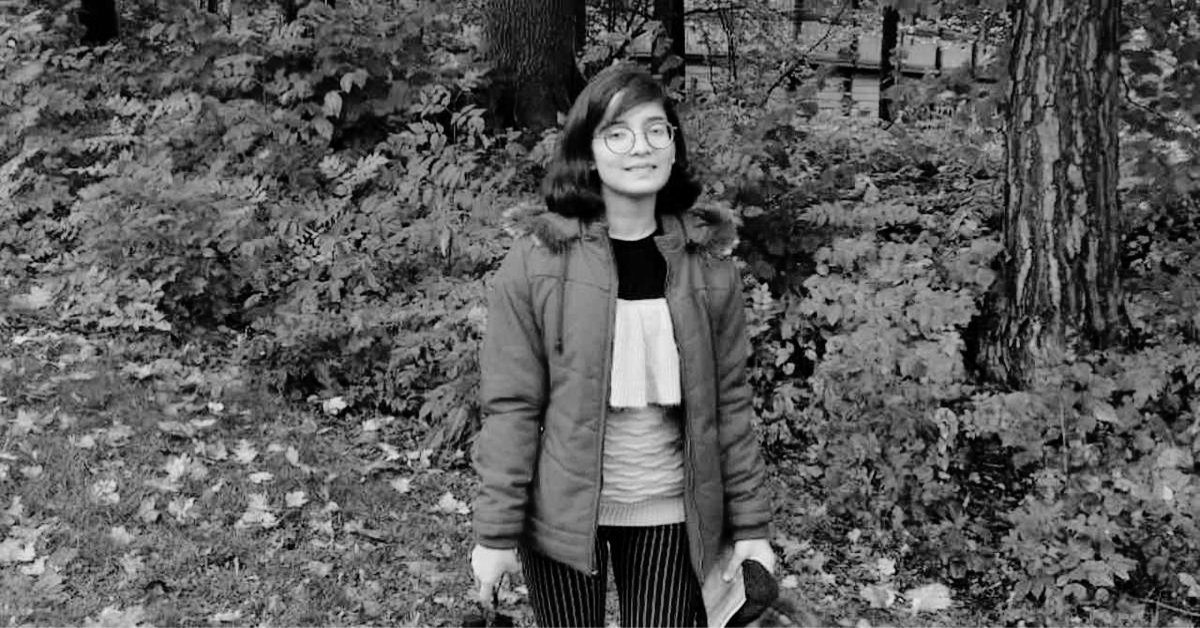
Ridhima Pandey is not a powerful leader.She has no political party behind her, no corporate funding to support her. She was just a child —
who understood very early that when mountains cry, governments often remain silent. Living in Uttarakhand, Ridhima witnessed the devastating floods of 2013 from very close quarters. The same floods in which hundreds lost their lives, villages were destroyed, and the mountains issued their first warning —
that nature cannot be ignored for long.
It was here that a question was born within Ridhima —if forests continue to be cut,if rivers continue to die, what will happen to our future?
When a 9-Year-Old Child Questioned the Government
People often say,
“What do children know?”
But at just 9 years of age, Ridhima filed a petition against the Government of India.
Her question was simple:
“You made promises in climate agreements,
but why are forests still being cut on the ground?
Why is the air becoming poisonous?”
Even though the petition did not move forward legally, it made one thing clear —children will ask questions now.
Forests, Cities, and the Silent Cry of 2,600 Trees
When Mumbai’s Aarey forest was being cut, Ridhima did not remain silent.
More than 2,600 trees —not just timber, but the very breath of the city.
Ridhima wrote a letter to the Prime Minister.No speeches, no slogans — just a child’s plea:
“If we cut forests in the name of development,
what air will children breathe?”
A Child’s Voice Reaches the United Nations
In 2019, Ridhima stood at the United Nations with children from across the world. This was not just an environmental issue —
it was a question of children’s rights to a future. She said that if governments fail to stop the climate crisis today, they are stealing childhood from future generations.
Some Bitter but Necessary Facts
• India loses millions of hectares of forest every year
• In many cities, air quality has crossed AQI levels of 300
• Climate disasters are no longer “rare” — they have become routine
• When forests disappear, floods and drought arrive together
These facts are not meant to frighten —they are meant to hold up a mirror.
But the Real Question Remains —
Can the youth truly save the forests?**
The answer is not a simple “yes” or “no.”
Children can raise their voices Youth can question systems Movements can rise
But forests cannot be saved by slogans alone.
To protect them, we need:
• Honest policies
• Thinking beyond greed
• A new definition of development
• And collective responsibility from society
Children like Ridhima show us the path, but walking that path is the responsibility of adults.
Ridhima Pandey Is Not a “News Story.”
She is a warning.She tells us that if children today are going to courts and the United Nations, then somewhere along the way, we failed to do our part. Whether forests survive or not does not depend on how loudly children shout.
It depends on
whether we are willing to listen.





Leave a Reply